Stop the water if safe
Shut off a leaking supply line if you can do so safely. Do not enter an area with electrical, structural, sewage, or contaminated-water hazards.
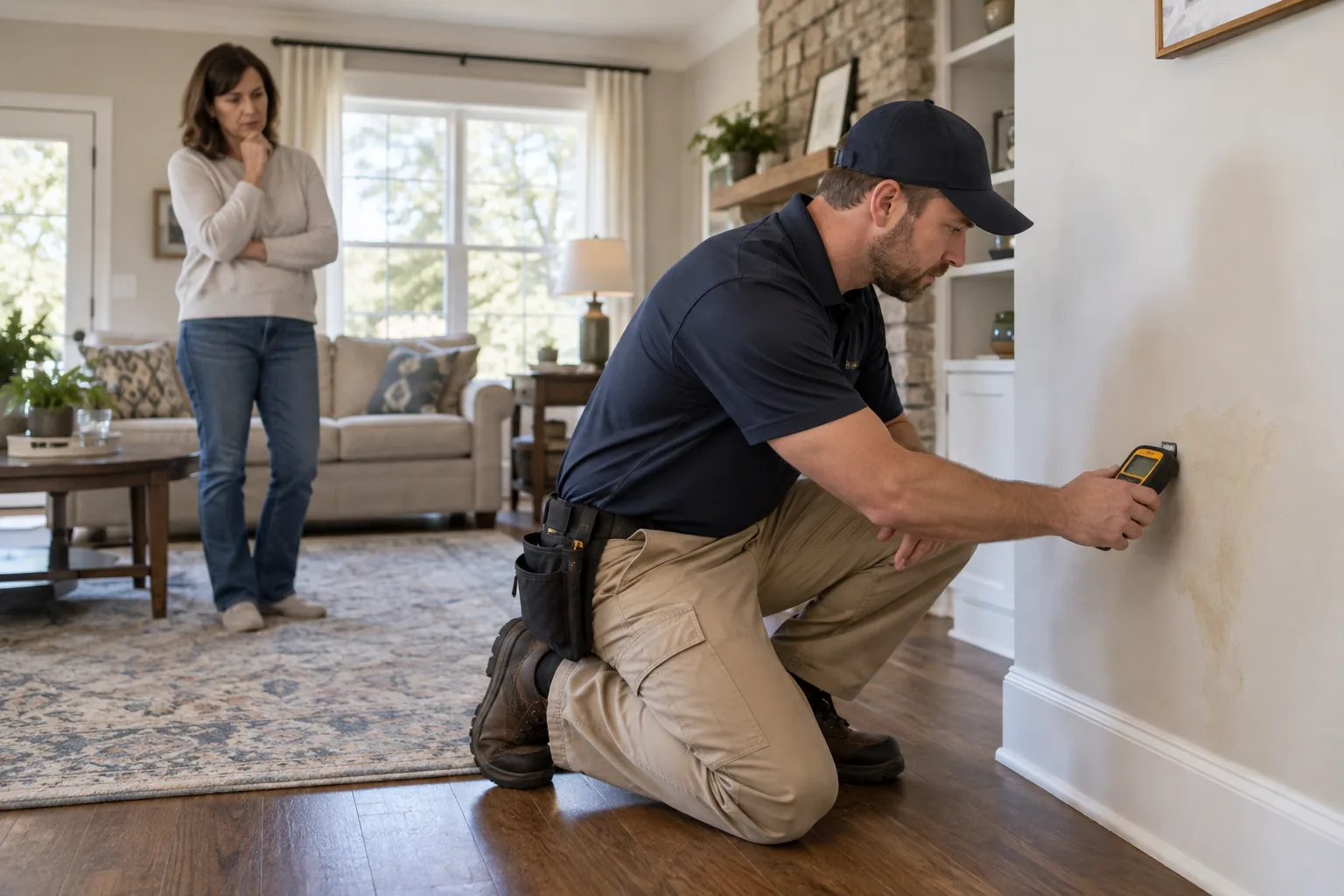
Mold inspection & remediation help · Jackson, TN
Describe what you see, where the moisture started, and whether the area is changing. Your call may connect you with an independent inspection or remediation provider serving Jackson and Madison County.
Free homeowner connection service · No obligation to hire · Provider availability varies
Talk with the right professional
A musty odor, a stained wall, and a wet crawl space do not call for the same response. A local provider can assess the moisture source, look for concealed damage, and explain whether the next step is inspection, drying, removal, repair coordination, or verification.
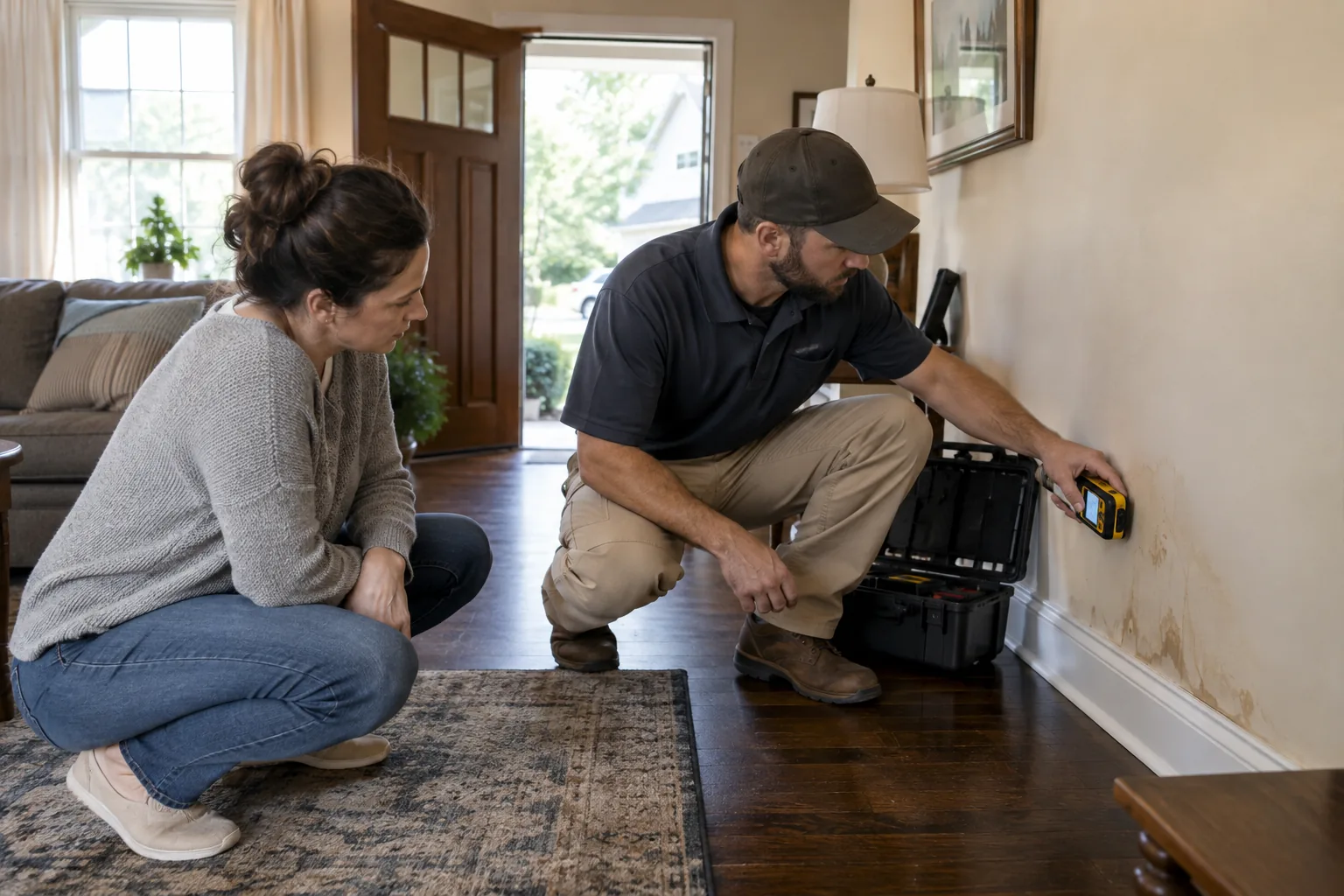
Professional services
Start with the location and cause. The right scope for an attic differs from the plan for a crawl space, bathroom, wall cavity, or air-handling system.
Assessment, containment, removal, drying, and a plan to prevent recurrence.
See service details →02Treat the moisture conditions under the home as part of the project.
See service details →03Separate roof leaks from condensation and ventilation problems.
See service details →04Understand when samples change a decision—and when they do not.
See service details →05Focus on extent and moisture rather than color-based fear.
See service details →06Avoid spreading particles through a suspected contaminated system.
See service details →07Coordinate remediation with material replacement and reconstruction.
See service details →08Use visual, moisture, odor, and—when justified—sampling criteria.
See service details →Controlled cleanup
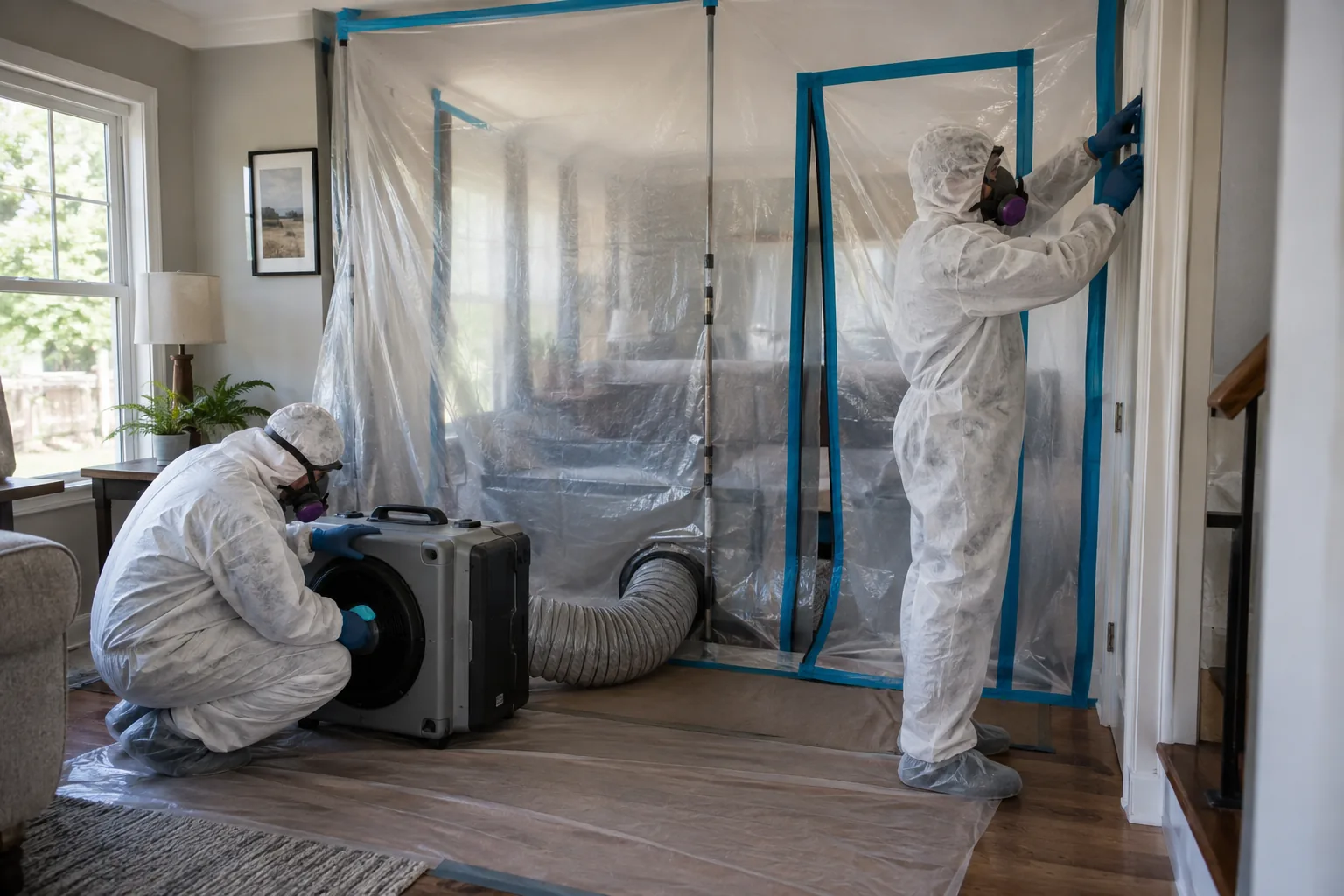
Professional remediation is more than spraying a visible stain. The work may include isolating the affected area, running HEPA-filtered equipment, removing unsalvageable porous material, cleaning what can remain, drying the assembly, and coordinating repairs.
The exact scope depends on what is wet, how far the damage extends, whether occupants can safely remain, and whether the HVAC system or contaminated water is involved.
Call for local mold help
Have the affected room, approximate visible area, moisture event, and any HVAC or contaminated-water involvement ready when you call.
Using this connection service is free. Calling may connect you with an independent provider serving Jackson or the surrounding area. Provider estimates and work are separate agreements.
Before anyone arrives
Shut off a leaking supply line if you can do so safely. Do not enter an area with electrical, structural, sewage, or contaminated-water hazards.
Photograph the moisture source and affected materials. If an insurance claim may apply, contact the insurer before demolition or disposal.
Avoid opening walls, pulling carpet, or running a suspected contaminated HVAC system before the work area and protection plan are clear.
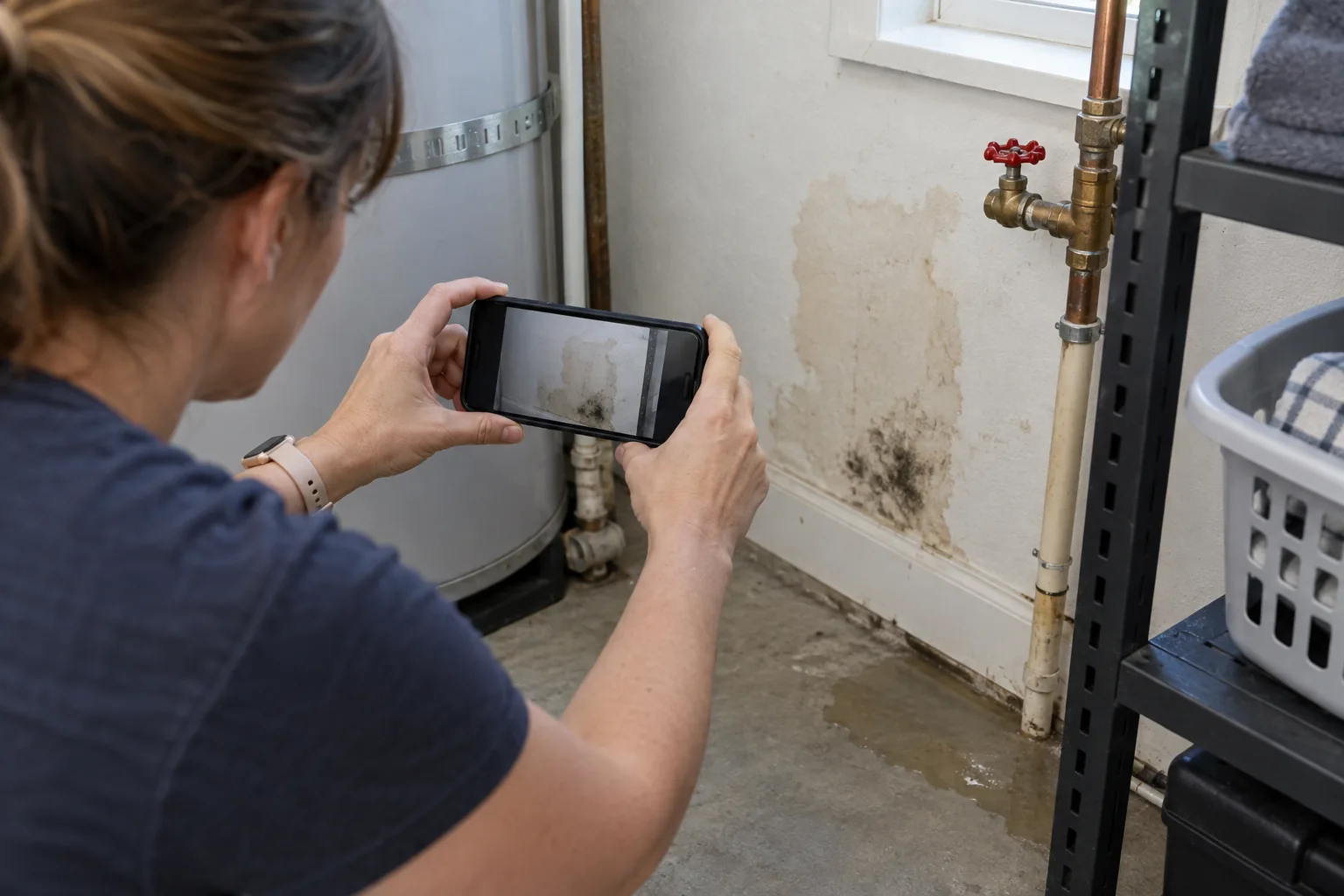
Your first call
This site is a referral and educational service, not the remediation contractor. The call may connect you with an independent provider whose availability and scope fit the project.
Share the affected room, approximate visible area, material, moisture event, and whether HVAC or contaminated water may be involved.
Ask for the company name, service location, insurance, qualifications, and who will inspect, remediate, test, or rebuild.
There is no obligation to hire. Review exclusions, completion criteria, and change-order terms before authorizing work.

Before you approve work
Price alone cannot show whether two providers are quoting the same job. Ask each company to put these decisions in writing so you can compare scope instead of sales language.
Helpful before you hire
Containment, access, demolition, drying, repairs, testing, and exclusions.
DIY decisionA practical screen for size, material, water source, HVAC, and occupant risk.
TestingVisible growth often needs correction, not a lab name. Learn the exceptions.
Editorial guidance on this page is based on current public-health and contractor resources. A property-specific scope still requires an on-site assessment.