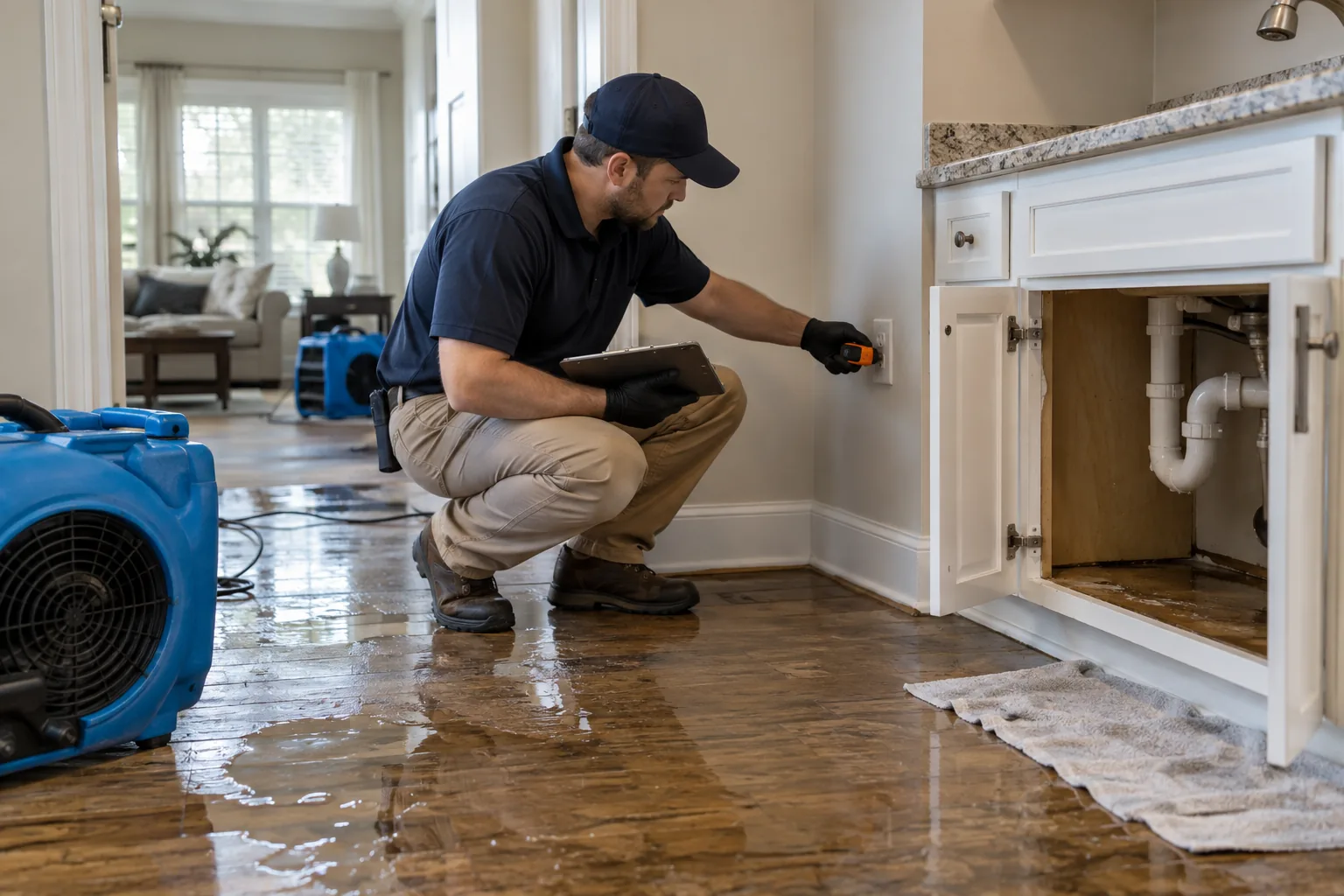
If water is still entering, stop it only when you can do so safely. Keep people out of an unsafe area, photograph damage, call the insurer when a claim may apply, and begin qualified water removal and drying promptly.
First 30 minutes
- Leave any area with electrical, gas, structural, fire, or contaminated-water danger.
- Shut off the water source if the control is known and safe to reach.
- Move unaffected valuables away from clean water without entering hazards.
- Photograph the source, water line, and affected contents.
- Call the appropriate emergency, utility, insurer, or restoration contact.
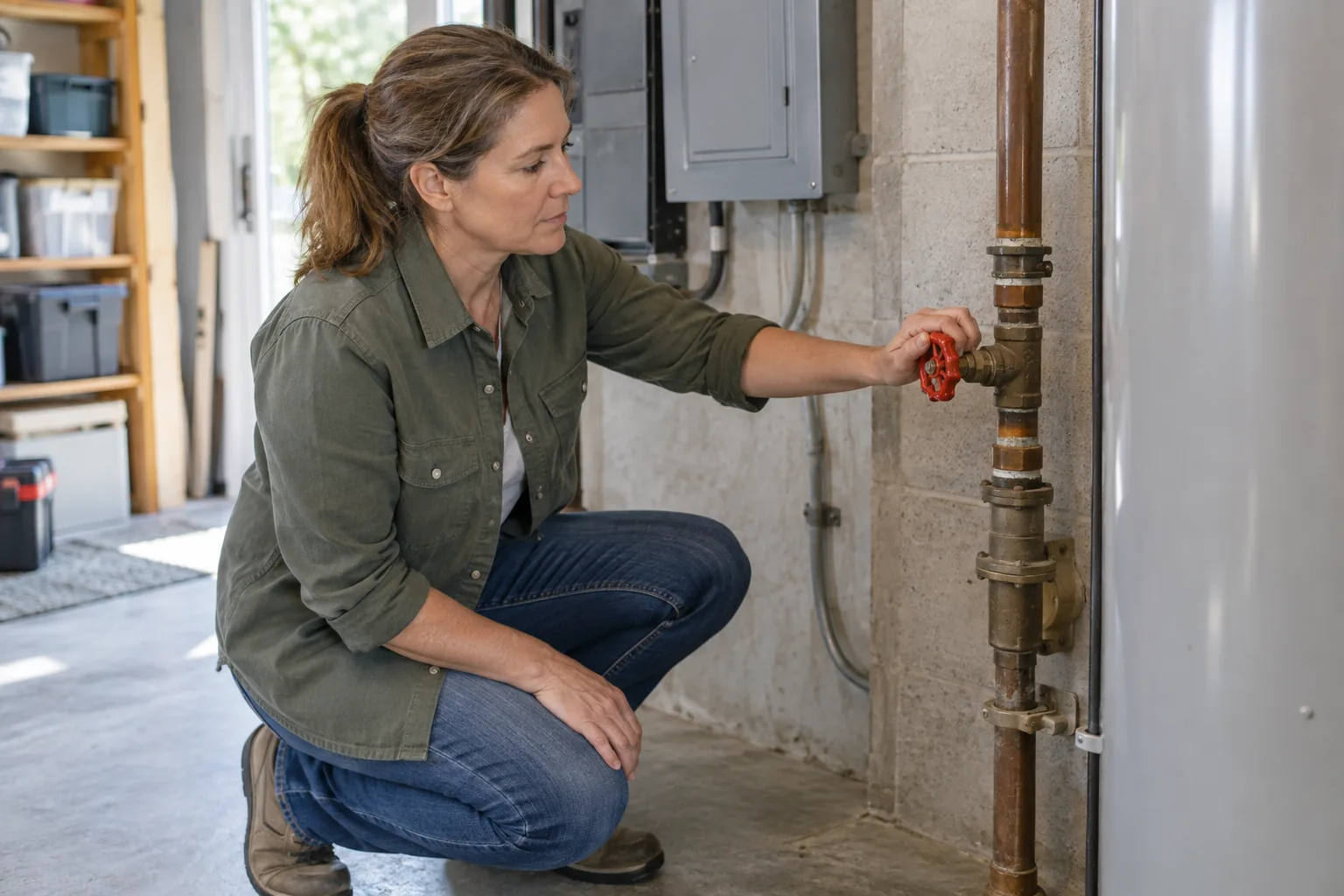
The first 24–48 hours
CDC advises cleaning up and drying a home fully and quickly—within 24–48 hours after a flood when possible. Materials that cannot be dried promptly deserve closer evaluation. Do not close walls, reinstall baseboards, or cover flooring until the assembly is dry.
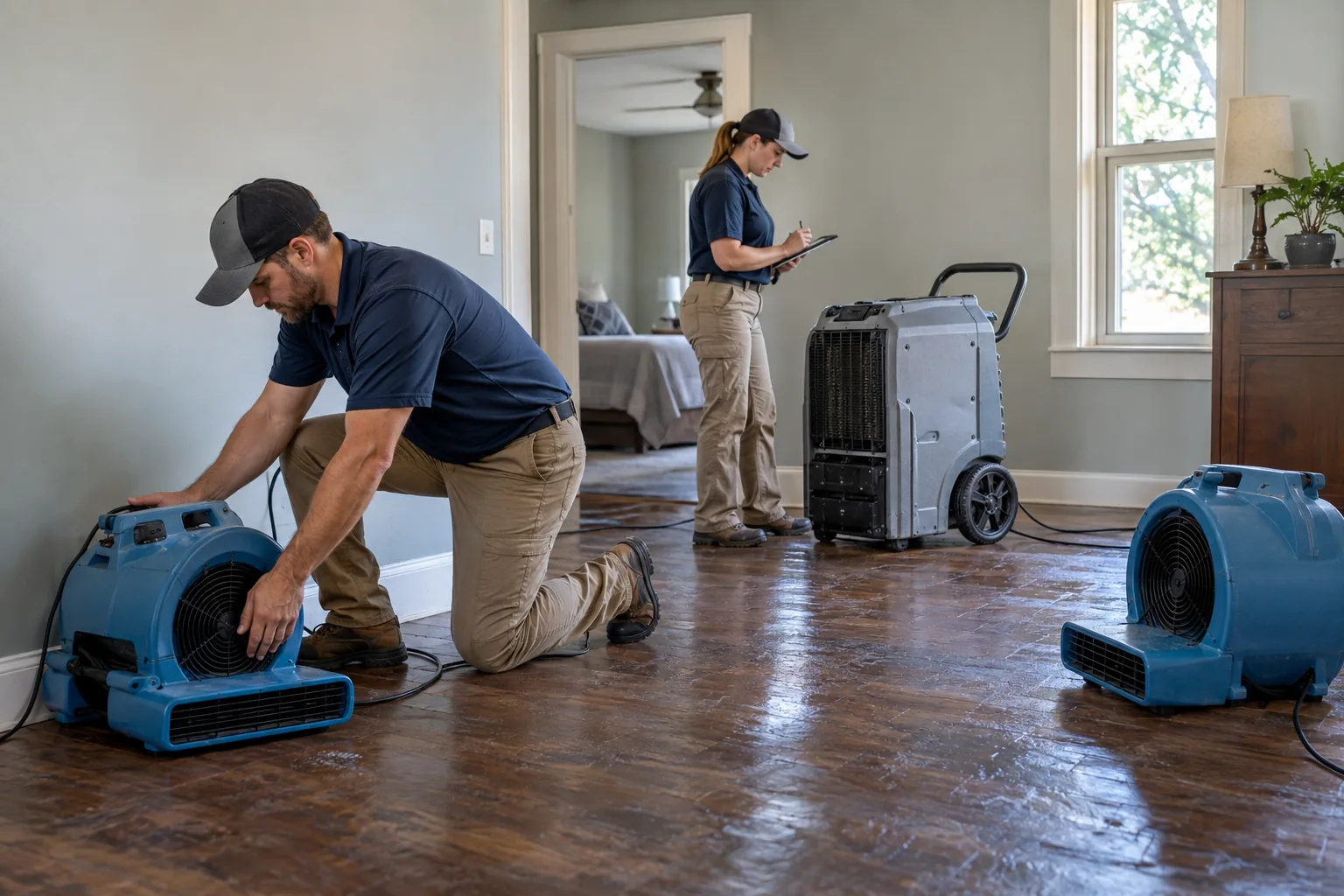
When mold changes the work plan
Visible growth, musty odor, delayed drying, past leaks, or wet porous materials can add containment and remediation steps. If sewage or floodwater is involved, use professionals experienced with contaminated water; mold is only one part of that hazard.
Information to have when you call
Share the property type, rooms affected, water source, when it began, whether water is still present, visible area, material types, HVAC involvement, and any immediate safety or health concerns. This helps route the call, but it does not replace an on-site assessment.
Questions homeowners ask
Is this number a 911 replacement?
Should I run fans immediately?
Sources and standards
Editorial guidance on this page is based on current public-health and contractor resources. A property-specific scope still requires an on-site assessment.