
A final invoice is not a completion criterion. The verification plan should be agreed before work starts, especially when walls will be rebuilt quickly or when an independent assessor is involved.
The minimum completion screen
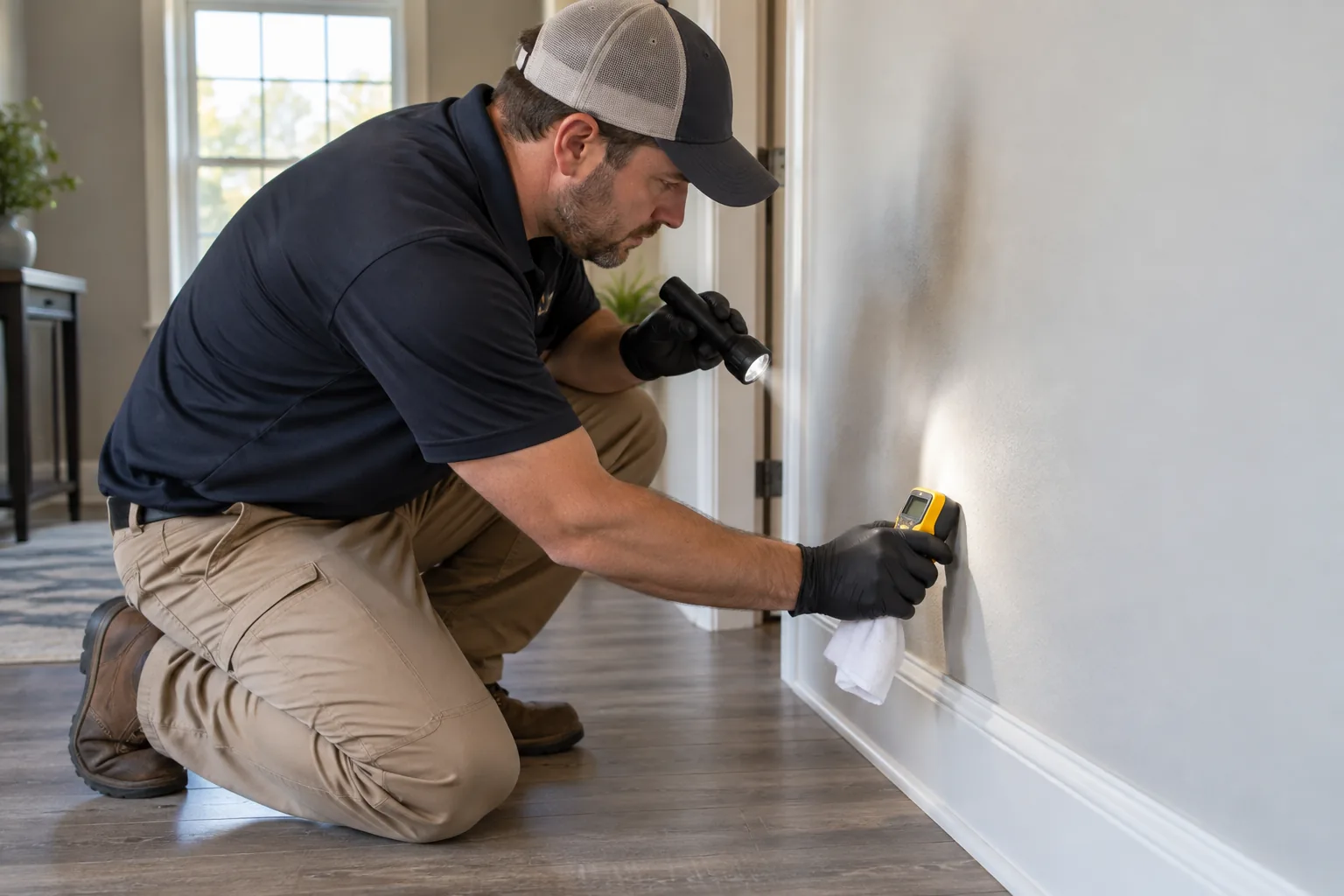
- The original water or humidity source has been corrected.
- Surfaces are visibly free of dust, debris, and remaining growth.
- No moldy odor remains in the work area.
- Materials meet the documented drying target.
- Containment was not removed before the agreed inspection.
- The area can be revisited without new moisture or growth.
When post-remediation sampling helps
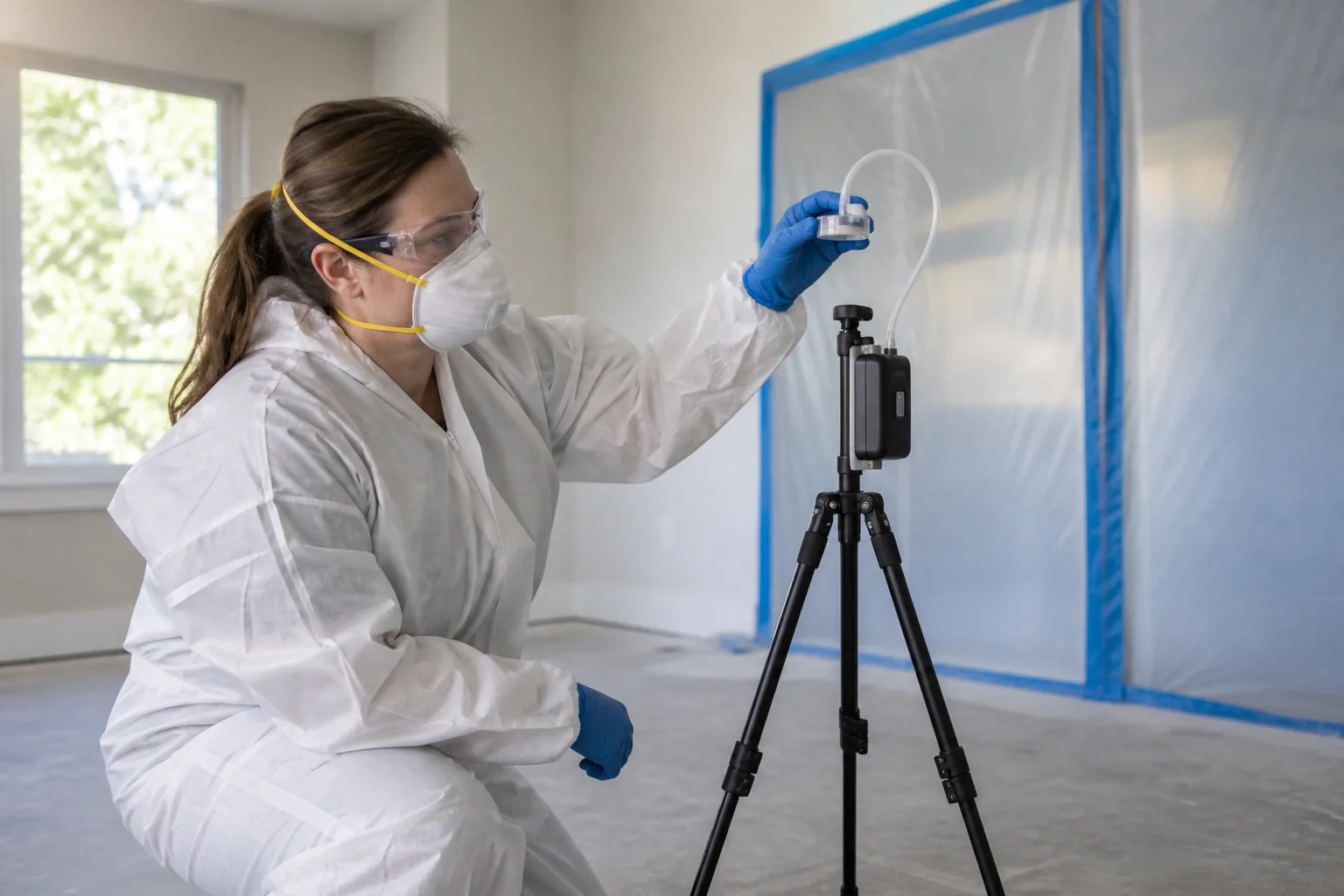
Sampling can support verification when it was built into an assessment protocol, the project is large or disputed, a sensitive occupancy requires it, or the client needs an independent data point. The assessor should define sample locations, comparison logic, environmental conditions, and interpretation before collecting them.
Why independence can matter
An independent verifier has no remediation invoice to defend. That separation is most valuable when the scope is expensive, the work is concealed after clearance, parties disagree, or the consequences of a missed area are high.
Documentation to retain
Keep the original assessment, moisture-source repair record, daily project notes, photos, drying readings, waste or material records when relevant, change orders, final inspection, lab reports if any, and warranties. This file is more useful than a generic “mold-free” certificate.
Questions homeowners ask
Can a company guarantee zero mold spores?
When should walls be closed?
Sources and standards
Editorial guidance on this page is based on current public-health and contractor resources. A property-specific scope still requires an on-site assessment.