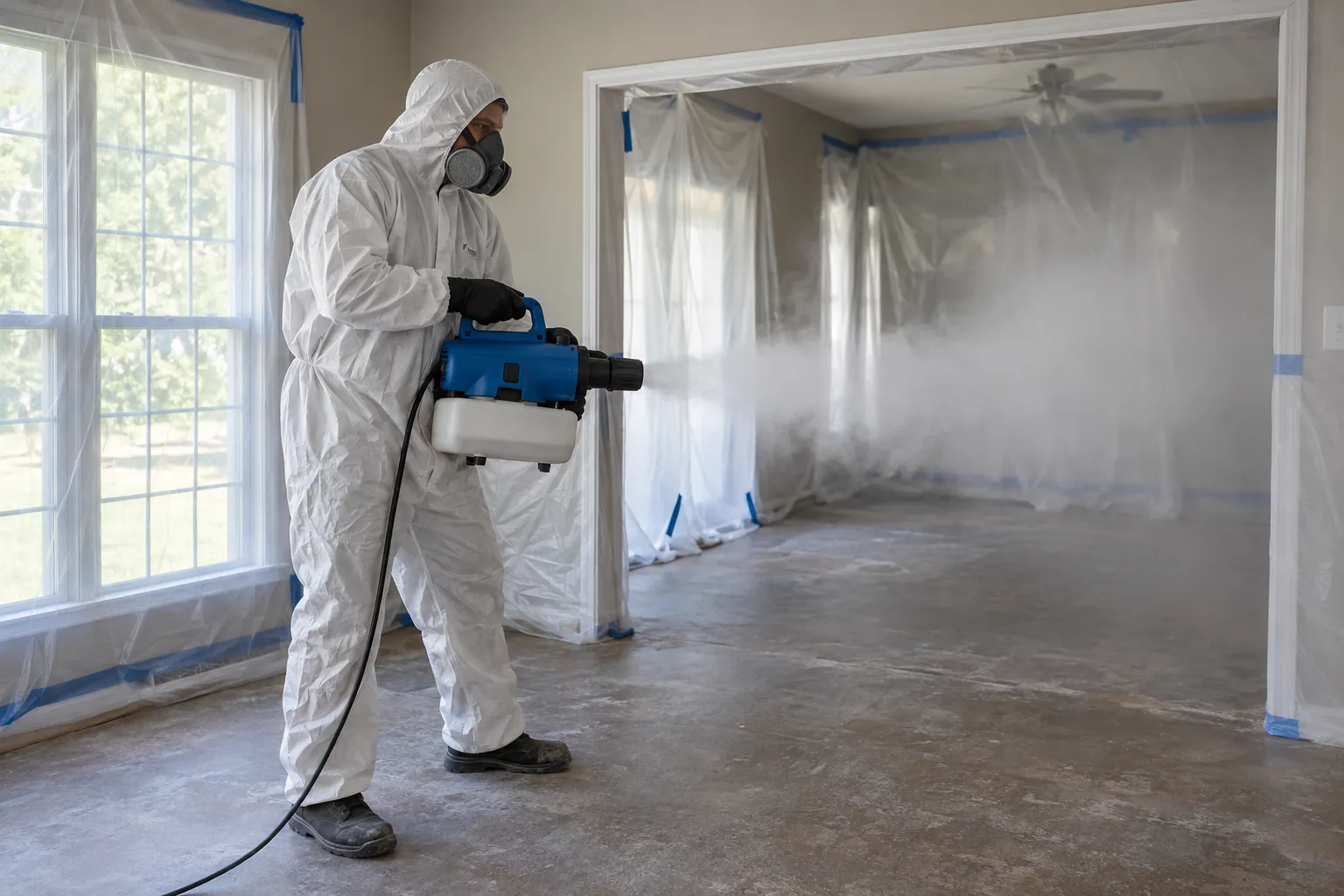
“Dry fog” describes an application method, not a complete remediation standard. Before buying a whole-building treatment, ask what contamination was found, which materials require physical removal, how the moisture source will be corrected, and what evidence will show that the project worked.
Where fogging can fit
A qualified professional may use a registered product for a defined purpose as one step in a broader plan. The label, building occupancy, surface compatibility, ventilation, dwell time, and re-entry instructions matter. Product application should never outrun the diagnosis.
What fogging cannot substitute for
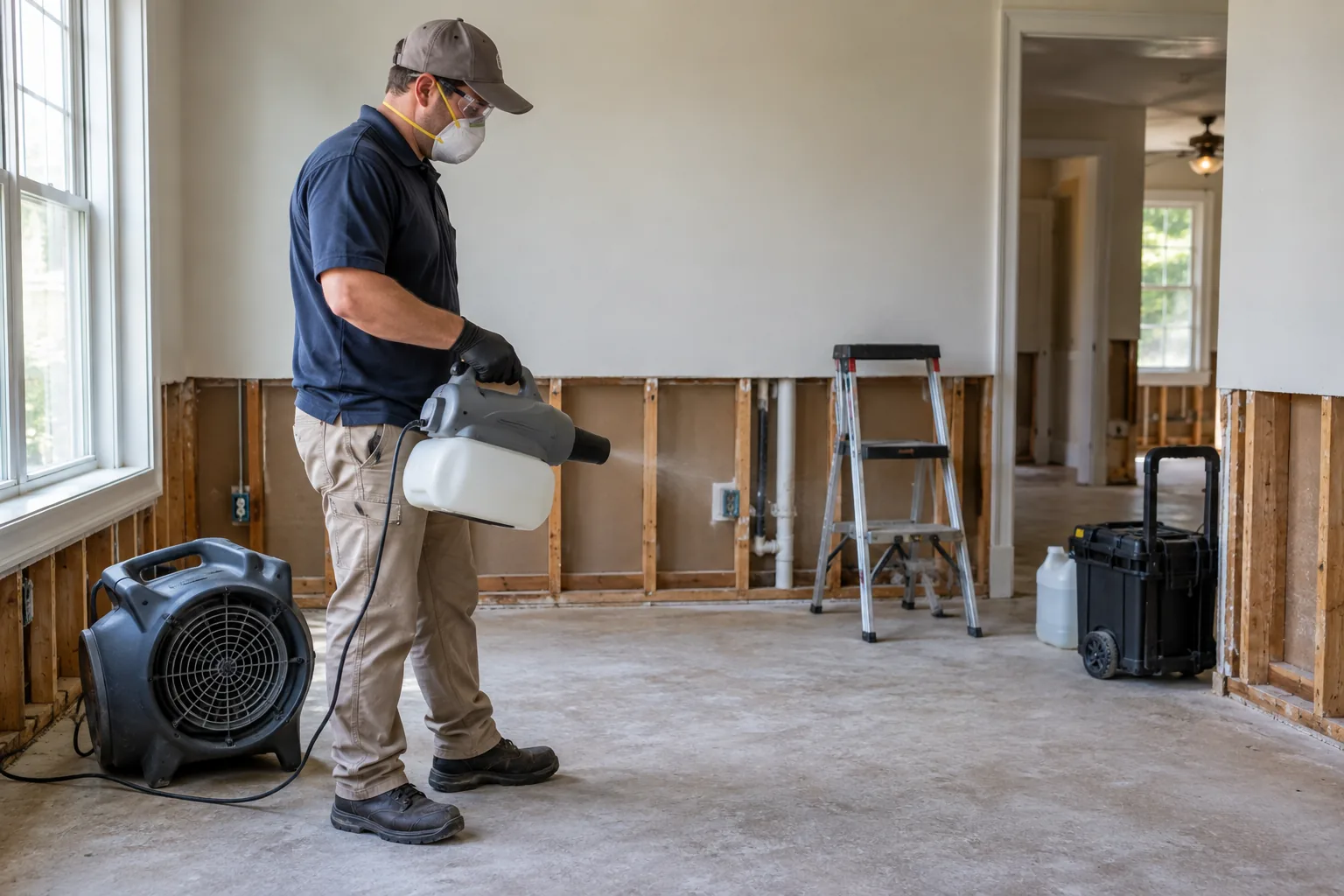
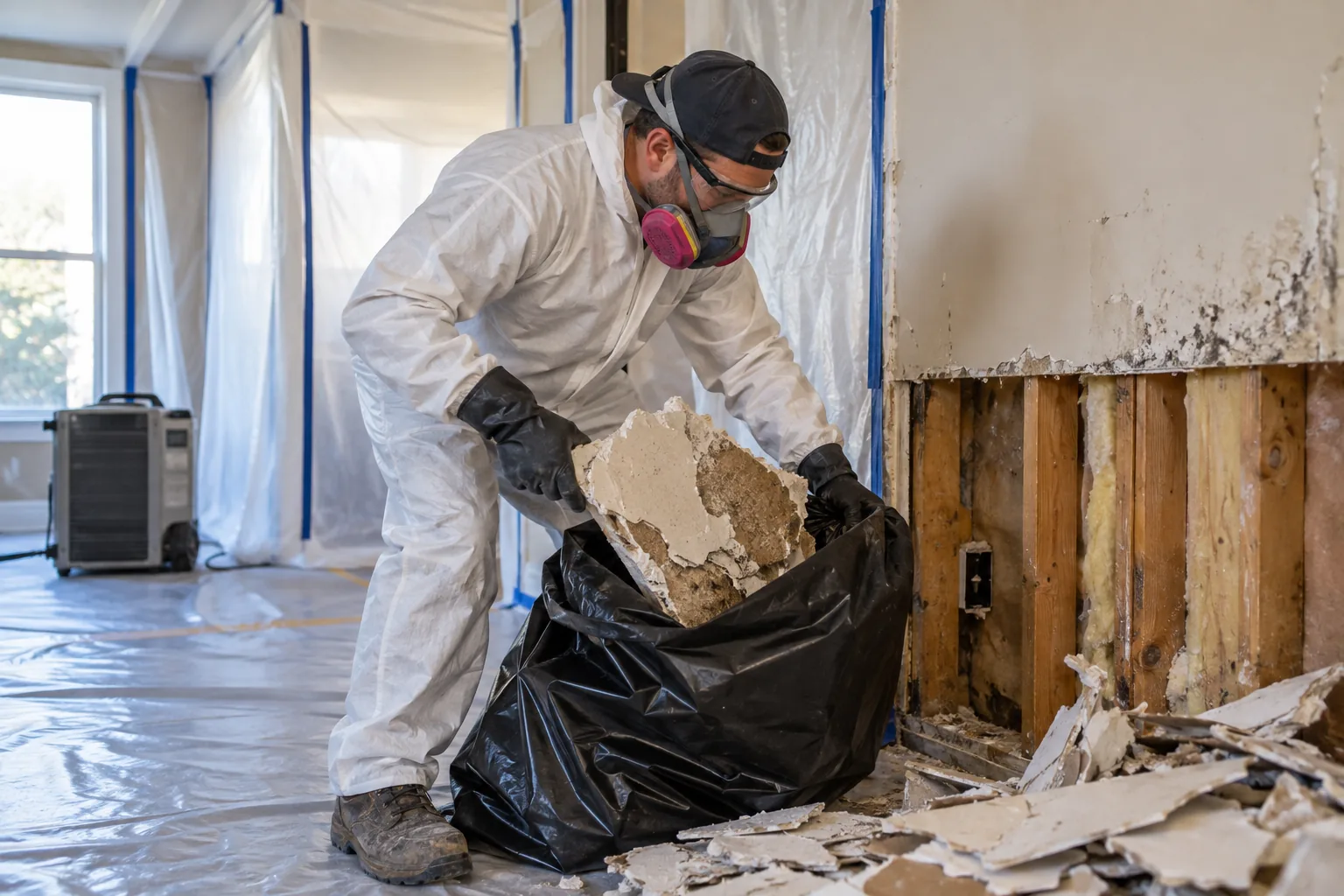
- Opening and removing unsalvageable porous material.
- HEPA vacuuming and detailed cleaning where required.
- Drying wet assemblies.
- Repairing plumbing, roofing, drainage, or condensation problems.
- Containing demolition and protecting clean areas.
Questions for a fogging proposal
What exact product and EPA registration applies? What organism or surface claim is on the label? Which rooms and contents must be vacated or protected? What physical cleaning occurs before or after application? What result is promised, and how is it measured?
Compare the whole scope
A lower fogging price may exclude demolition, material disposal, detailed cleaning, moisture correction, repairs, and independent verification. Compare the full project—not the cost of a single treatment day.
Questions homeowners ask
Is dry fogging the same as mold remediation?
Can fog reach mold behind drywall?
Sources and standards
Editorial guidance on this page is based on current public-health and contractor resources. A property-specific scope still requires an on-site assessment.